
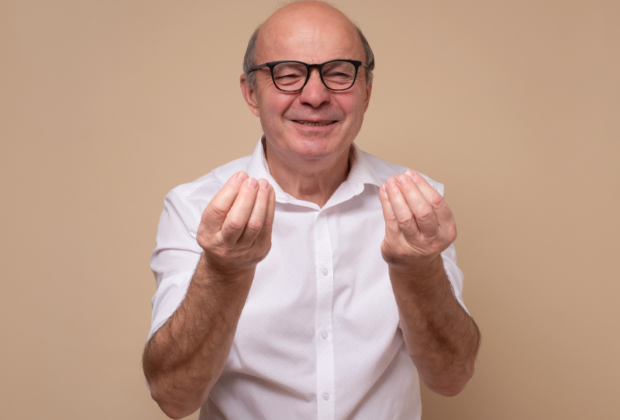
Those who live in Rome know it well: in the Capital, people don’t just speak with their voices. In Rome, people speak with their hands, their eyebrows, their head, and even with the intonation of a single syllable.
The language of Romans is a small everyday performance — an art form that blends irony, theatricality, and spontaneity. To truly understand Rome means learning to interpret not only words, but also gestures, expressions, and the rhythm of speech.
Here are five of the most typical expressions and gestures you’ll come across while strolling through the city — useful for getting a bit more into the Roman spirit and, why not, for having fun trying them yourself.
1. “Aò!” – The sound that opens every conversation
It’s hard to find an expression more Roman than this. “Aò” is a short, simple sound, yet incredibly powerful: it contains a whole world of meanings that change depending on tone and situation. It can be used to get someone’s attention (“Aò, ma che fai?”), to express surprise (“Aò, non ci posso crede!”), annoyance (“Aò, ma te muovi?”), or affection (“Aò, quanto tempo che nun te vedevo!”).
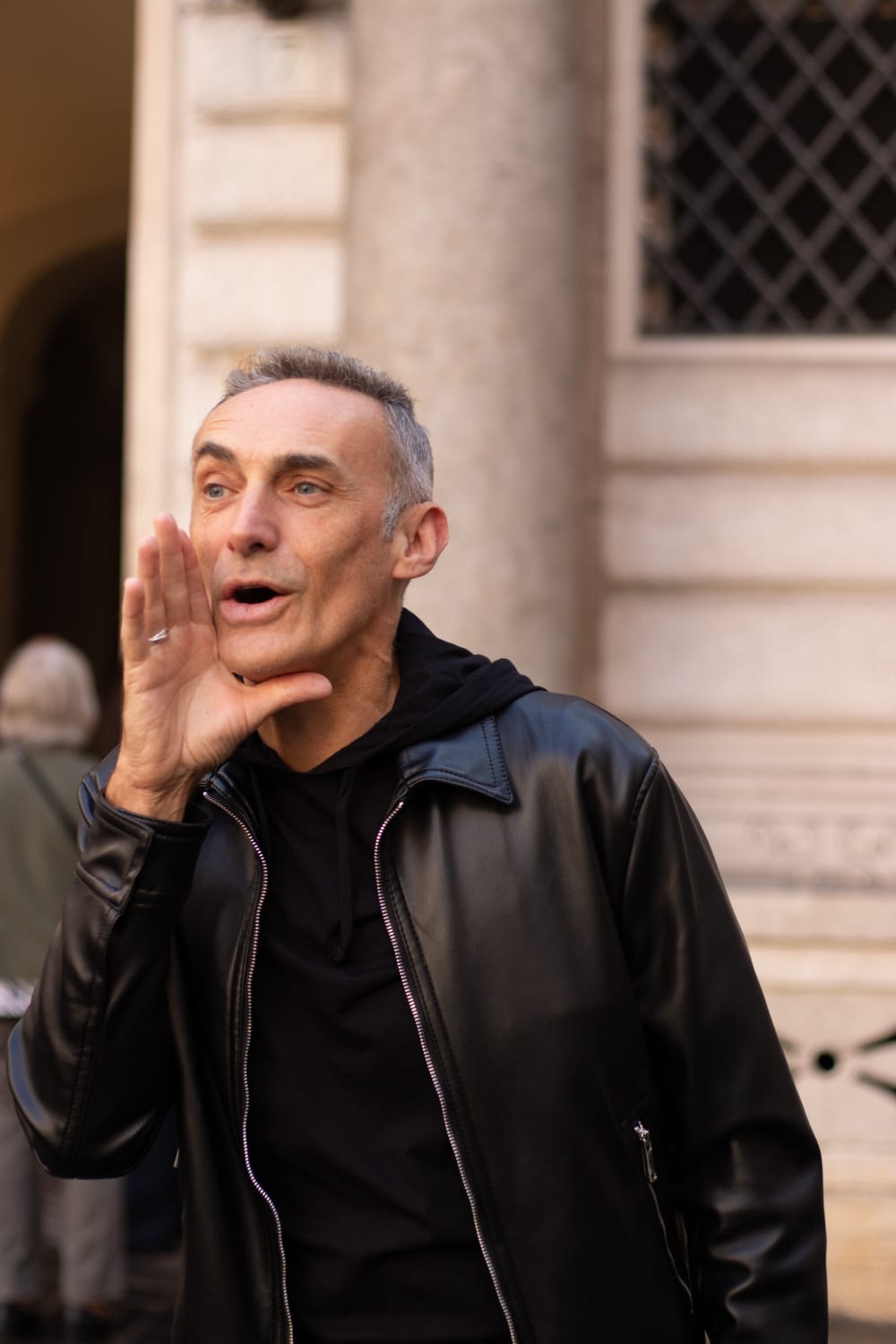
In just one syllable, a Roman can convey an attitude, an emotion, even a judgment. It’s one of those words that can’t really be translated — you feel it and understand it from the context. If you start using it yourself, be careful: it’s contagious.
2. “Annamo bene...” – Irony in the face of the absurd
If there’s one thing Romans know how to do, it’s to take things lightly. When something goes wrong, when a situation turns surreal or seems unsolvable, the expression “Annamo bene...” promptly appears. Of course, it’s never said with enthusiasm — the tone is low, ironic, often accompanied by a grimace or a half-smile.
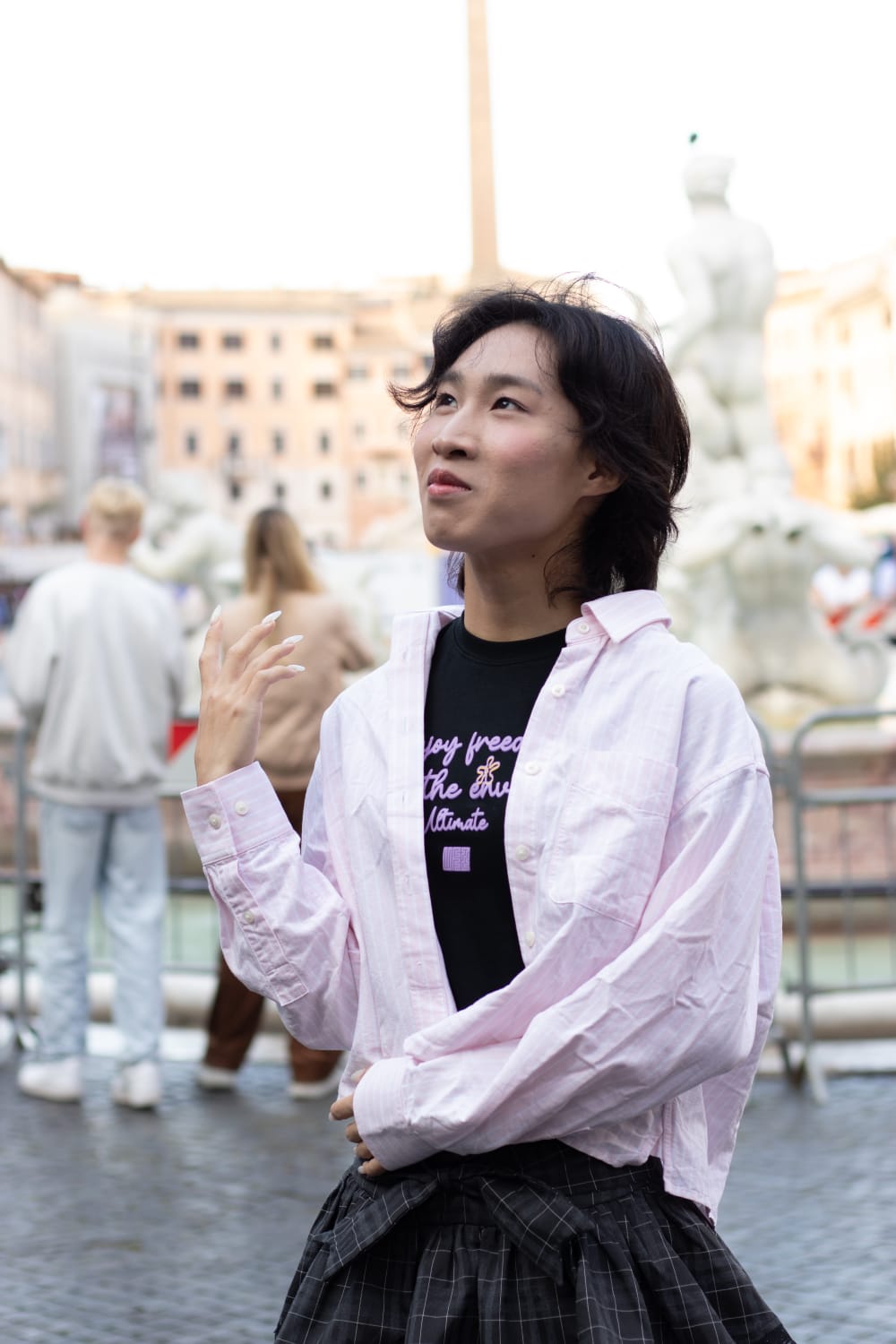
“Annamo bene...” can mean “We’re in trouble,” but with a hint of humor that turns the complaint into a joke. It’s a way of saying that, yes, things aren’t exactly going as they should, but complaining too much is pointless — might as well laugh about it.
This attitude contains something deeply Roman: the ability to accept the world’s imperfections with a mix of sarcasm and tenderness.
3. The gesture with the united fingers – “Ma che stai a dì?”
It’s probably the most famous Italian gesture in the world, but in Rome it takes on its own unique intensity and nuances. You do it by bringing the fingers together in a point and moving the hand rhythmically up and down, with the expression of someone who doesn’t believe what they’re hearing.
It can accompany phrases like “Ma che stai a dì?”, “Ma che voi?”, or “Ma sei serio?”.
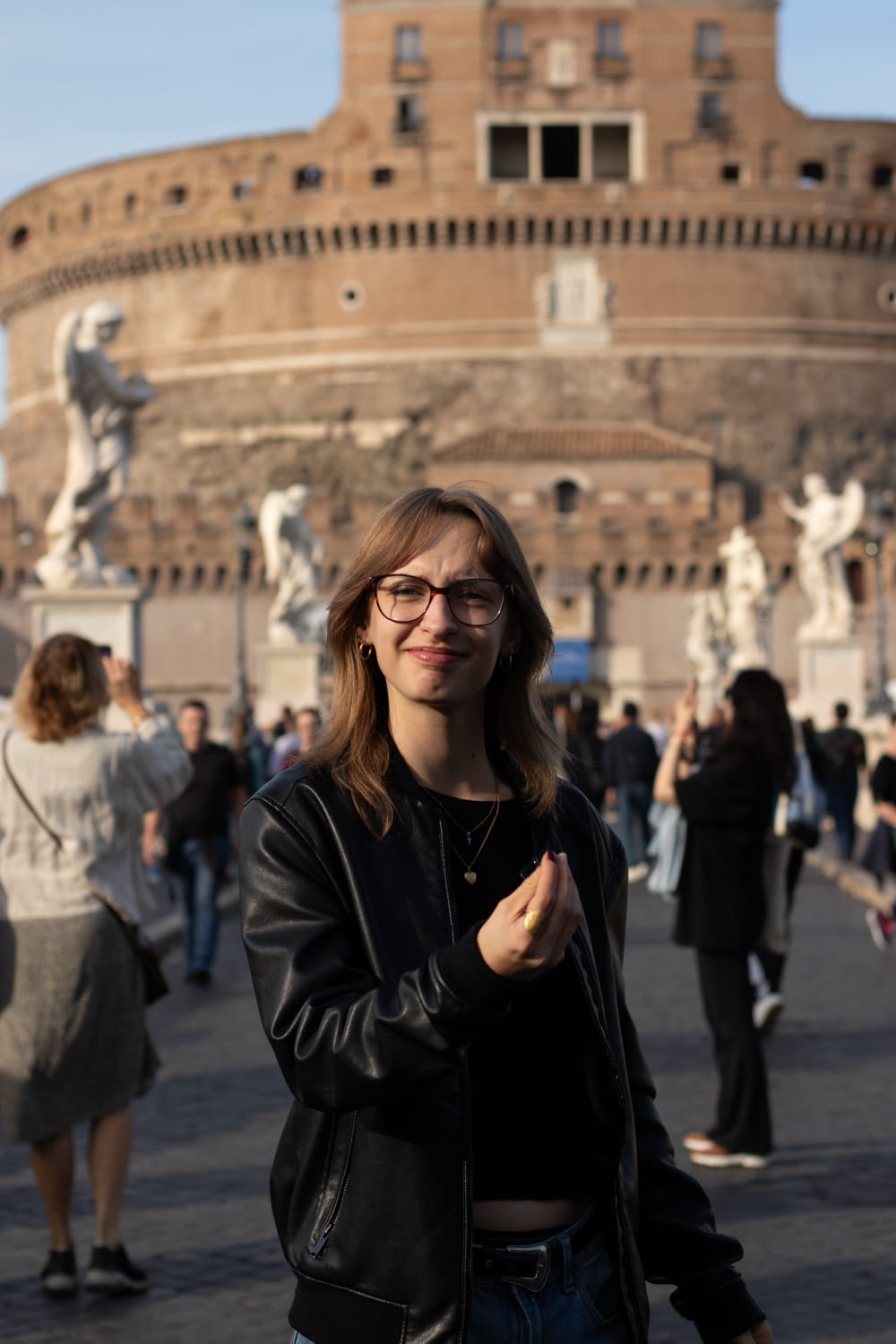
It’s a gesture of disbelief, disapproval, or disagreement — but not always in a negative way. Sometimes it’s used ironically, as if to say “Listen to this one...”.
The fascinating thing is that in Rome this gesture is part of everyday non-verbal grammar. It’s never aggressive — always expressive, theatrical, and playful. Even those who don’t speak Italian understand it immediately: you just have to look at the face of the person doing it.
4. “Daje!” – The most Roman encouragement there is
“Daje” is a simple word, but full of energy. It’s one of the most positive and contagious expressions of the Roman dialect — an invitation to act, to move, to not give up. It can mean “Come on!”, “Let’s go!”, “You can do it!”, or even “We’ve got this!”.
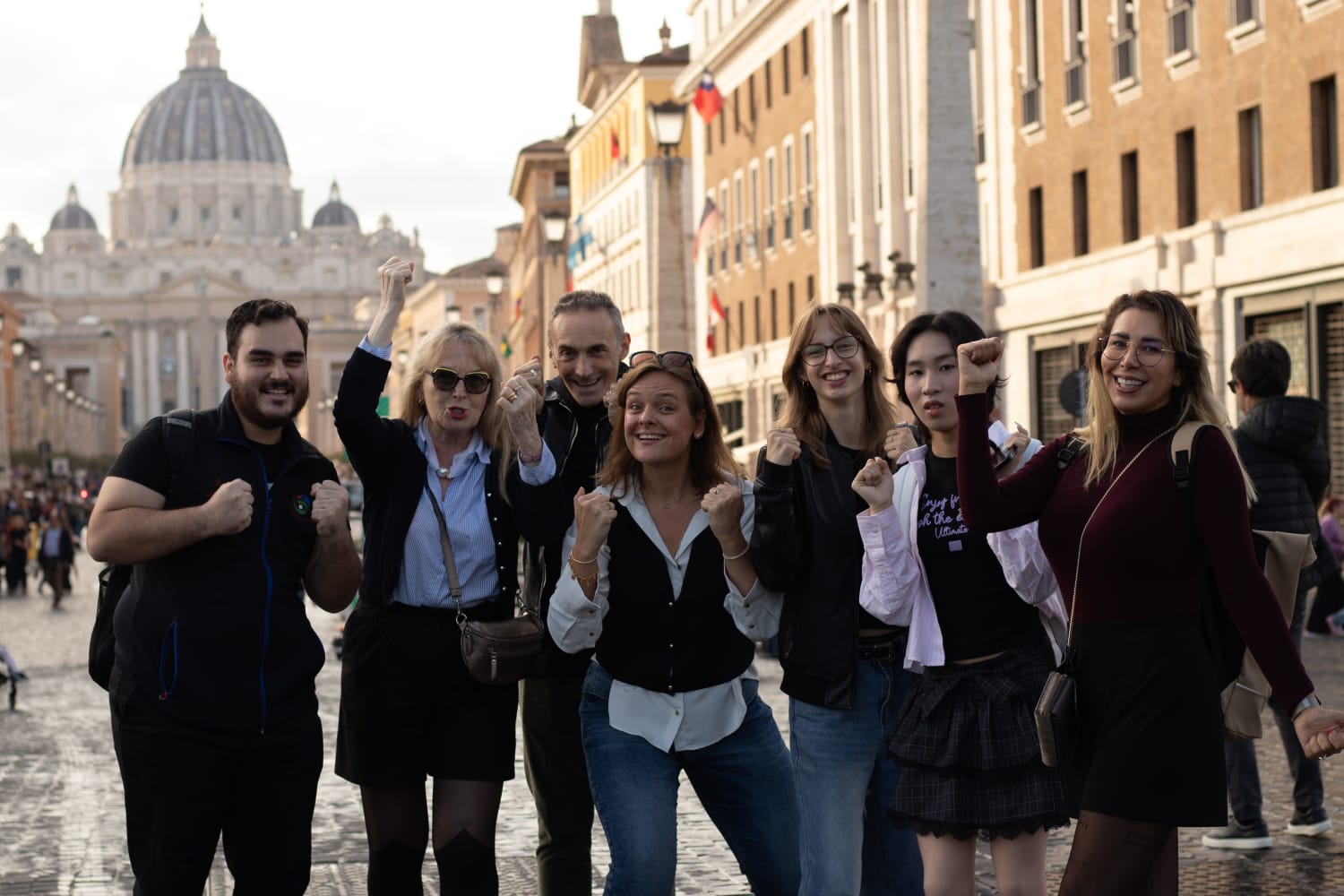
It’s used to motivate (“Daje, che ce la fai!”), to celebrate (“Daje, stasera se brinda!”), or to show approval (“Daje, così me piaci!”). It’s an expression that radiates enthusiasm and optimism, even in the toughest moments.
“Daje” has become a true symbol of contemporary Roman identity: you can see it on walls, t-shirts, sports slogans, and motivational phrases on social media. It’s a word that unites people, creates a sense of belonging, and, when said at the right time, can change the mood of an entire day.
5. “Mannaggia!” – The sweet Roman frustration
“Mannaggia” is one of those words Romans pronounce more with their heart than their mouth. It’s an exclamation of frustration or disappointment, but often affectionate, almost tender.
It’s used when something goes wrong - but not enough to get truly angry: a coffee stain, a bus missed by a few seconds, a small forgetfulness. It can mean “What a pity!” or “How annoying!”.
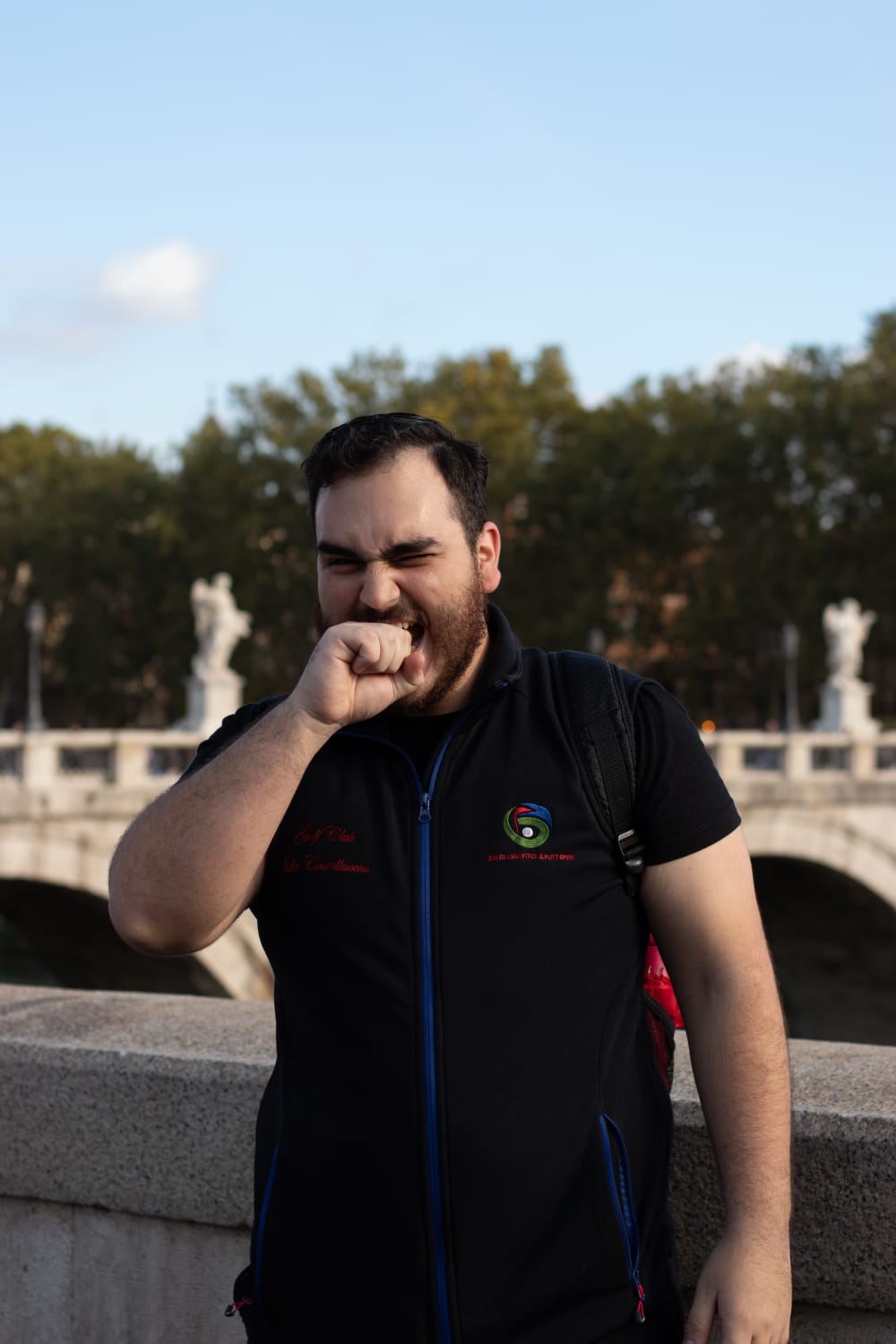
It comes from the Latin malenactio (curse), but in the Roman language it has softened, turning into a gentle way to vent small disappointments.
Behind this word lies the essence of Romans themselves: passionate yet ironic, impulsive yet forgiving, able to face life with a mix of energy and lightness.
Conclusion
Roman expressions and gestures are much more than simple linguistic habits: they’re fragments of a living culture — a way of being in the world that unites theater, irony, and humanity.
Learning them doesn’t just mean understanding the language better — it means stepping into the heart of Rome, where every word, gesture, and glance tells a story.
Next time you walk through the city, watch Romans talk to each other: every hand movement, every “aò” or “daje” is part of a daily choreography — spontaneous and irresistible. And when using them starts to feel natural to you too, you can truly say you’ve become a little Romanized.
Discover our school in Rome to learn real Italian with us!
Final Note
The photo reportage accompanying this article was made possible thanks to the participation of our students. In particular, Eden, a talented photographer, took care of the shots, while John, Lily, Madly, Juan, Juliana, Elahe, and Mao took part as models, enthusiastically and playfully portraying the most authentic gestures and expressions of Roman life. A heartfelt thank you to all of them for giving face and movement to this story of a living, everyday Rome!

Scuola Leonardo da Vinci
Learn Italian in Italy in Florence, Milan, Rome, Turin and Viareggio
Latest posts by Scuola Leonardo da Vinci (see all)
- ☀️ Summer in Italy: discovering "Climate Refuges" for a cool travel experience - June 26, 2026
- "If my grandfather had wheels...": The Italian art of answering absurd hypotheses - June 24, 2026
- Studying Italian between the Sea and the Mountains: an Interview with Penelope Poggi from Viareggio - May 18, 2026